7 Days 7 Lessons #4

This week we have:
- Decision Making: Opportunity Cost
- Psychology: Broken Windows Theory
- Discipline: Voluntary Discomfort
- Psychology: Endowment Effect
- Productivity: Eating the Frog
- Finance: The Power of Compounding
- Life Context: ABC's of Gratitude
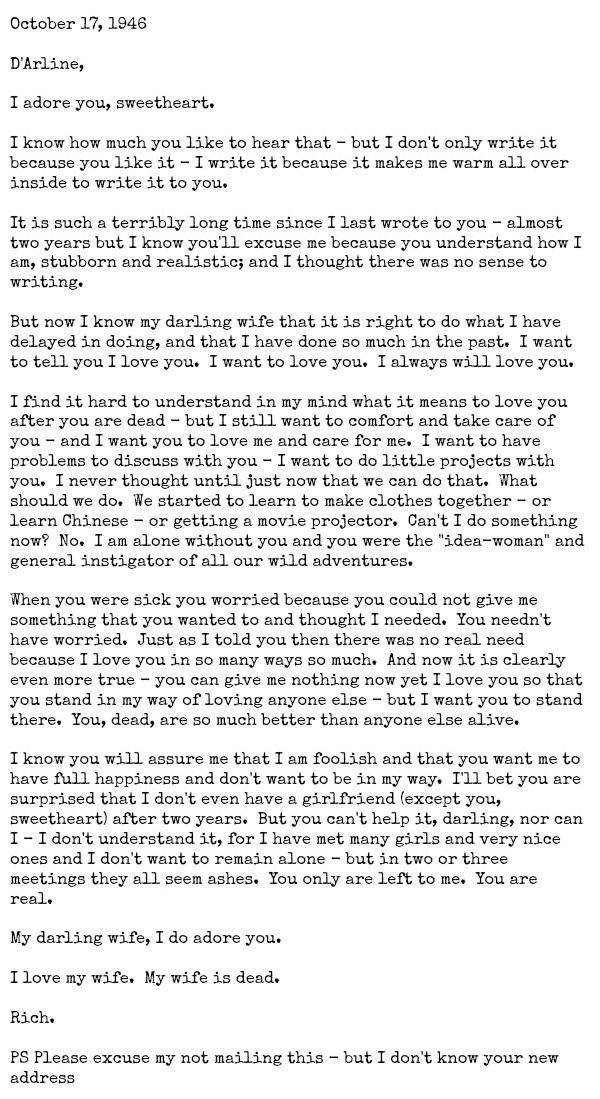
I don't have much to write about this week, so I'll leave you with Richard Feynman's love letter to his wife. I found it quite moving and thought it would be a good thing to share.
Opportunity Cost
What's the cost of the decision you've made?
I was watching a podcast the other day on personal finance and the topic of investing came about. The guest was telling her story of how she bought a house in London for £550,000 with a £50,000 deposit in 2017.
Fast forward to 2024, her property had gone up 10%. During that same period of time, the S&P 500 had gone up 93%, effectively doubling since 2017. With that same £50,000, she could have made nearly £50,000 in profit, rather than the £5,000 she earned from her property.
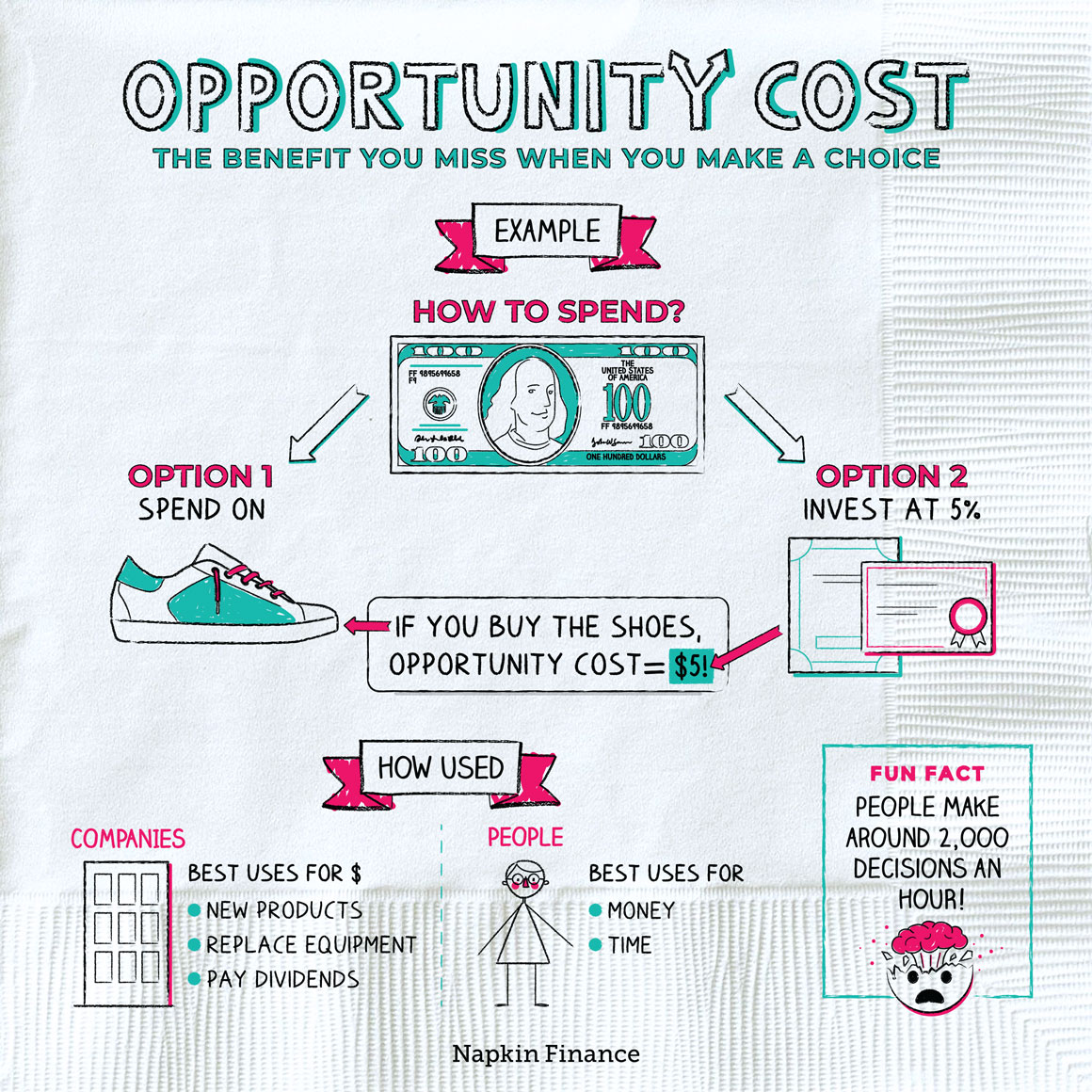
This is a perfect example of opportunity cost. Based on the decision you've made, what is the value of the next best alternative. You can think of it as the benefit you miss when you make a choice.
We often get caught up on making the right decision based on the impact it will have now, so much so, we forget to factor in the cost it will have in the future. This is dangerous as considering the future could give more merit to the decision you're overlooking and therefore make the decision you've made solely on the now a bad one.
A quote by Thomas Sowell sums up opportunity cost very well:
There are no solutions. There are only trade-offs.
Buying a car now when you don't need one can cost you potential returns in the stock market. Spending time watching TikTok can cost you time spent on going to the gym. This is opportunity cost, and making the right decision requires you to look at the other decisions to see whether they are better.
If you have an important decision to make, consider the cost of it now and in the future, as we often forget the factor in the latter. Are you sure you're willing to give up the benefit of the other decision?
TLDR: Before you make a decision, stop and think of the current and future cost associated with it. Use that to make the right decision.
Broken Windows Theory
Neglect the small problems and they'll grow to burden you.

First introduced in 1982 by James Q. Wilson and George L. Kelling, it suggests that any signs of minor crimes, vandalism or social disorder (such as a broken window or graffiti) will give the idea of negligence, and encourage more of similar or serious crime to happen. The theory suggests that cracking down on minor offences can prevent major ones from taking place.
Although I'm no expert in policing strategies, I think this theory can be extrapolated into a bigger sense. Smaller problems that aren't taken care of will spiral into bigger ones.
Leaving your clothes on the floor, leads to you leaving more clothes on the floor, then you stop cleaning the floor, then you stop making your bed, and before you know it, your bedroom becomes impossible to live in.
Sometimes it's the small problems that need the attention.
A small mishap that doesn't get resolved leads to a massive problem the next day. I think everyone has come across this at some point in their life.
For me sometimes, one dish gets left on the side, and before I know it, I've got a pile of dishes that need doing.
Luckily for us, completing quick and low effort tasks is something we love doing, I mean, it's quick gratification, and this theory suggests that tackling these same small problems could lead to bigger ones being resolved. It stops the seed from growing giving it no time to manifest into a bigger issue.
TLDR: Sometimes the best thing you can do is tackle the small problems in your life, because if you don't, you leave them to grow and they snowball out of control.
Voluntary Discomfort
The best muscle anyone can train is their discipline. Discipline is the key that unlocks everything in life.
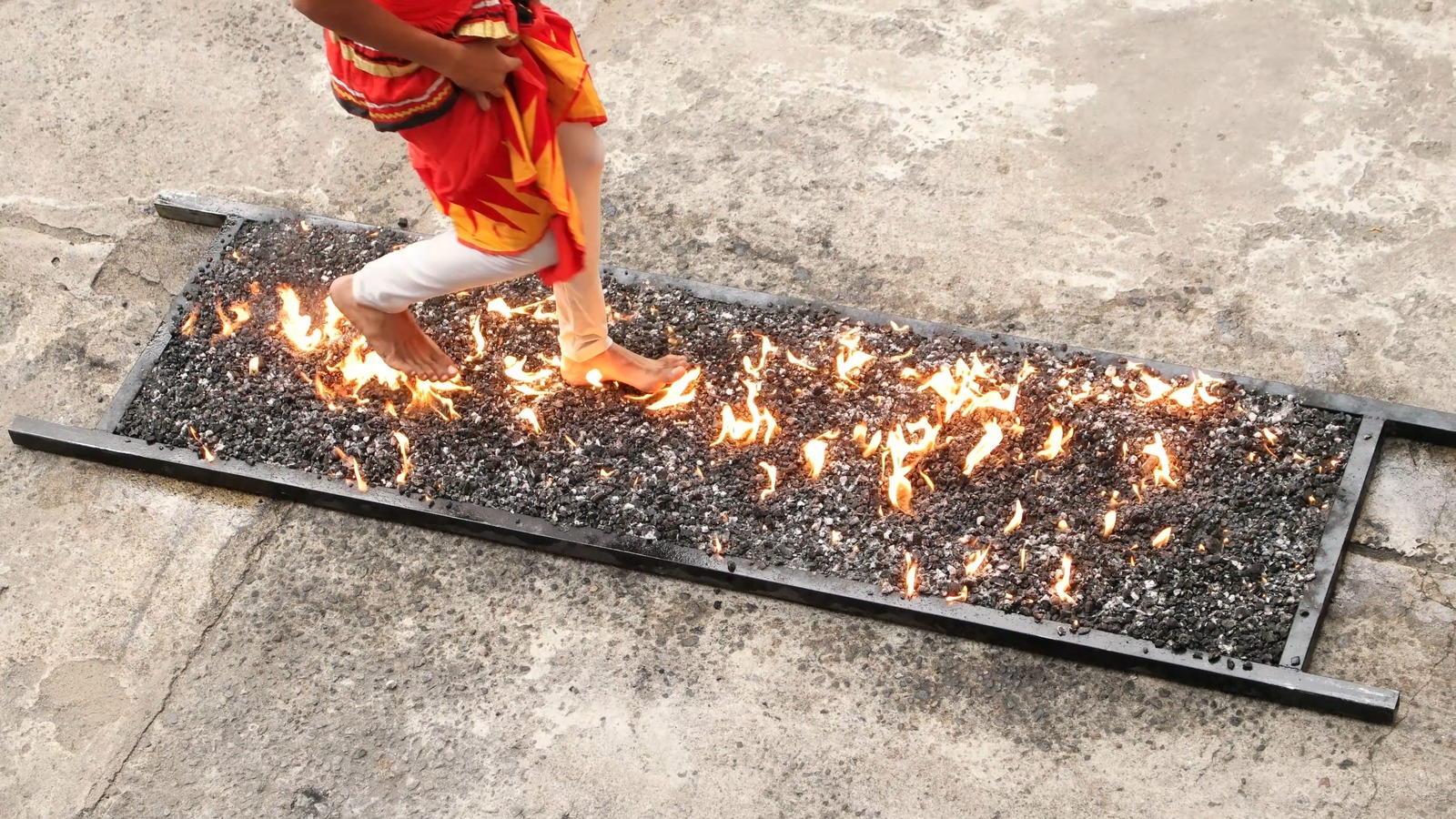
Voluntary discomfort is the practice of putting yourself in challenging and uncomfortable situations with the goal of building up resilience (physical or mental) and self-control. This has been typically attached to the stoic philosophy, a philosophy that aims to give you eudaimonia or "a state of good spirit".
By forcing your body to do something it doesn't want to do, you're taking ownership over it. By removing the emotions that stop you from doing the action, you're replacing it with control.
If you're looking to build more discipline, this practice is for you.
New year new me, yet you still carry your old discipline. How do you ever plan to implement your ambitious plans if you don't fix the lack of control over your own body.
I recently recognised that discipline is one of the most important qualities anyone can have. Imagine if you could have permanent motivation, that's essentially what discipline is (minus the emotions from motivation). Discipline is what allows you to change who you are, not some piece of paper with your new goals.
Maybe you decide that you want to take a cold shower everyday. Maybe you decide to not listen to music whilst on the bus to work. Maybe you eat in silence. It doesn't matter what it is, just do something that makes you uncomfortable.
TLDR: In a world where comfort is offered in everything we do, discipline is on the decline. Train your body by making it uncomfortable, that's when it grows. Take ownership over your body, rather than letting it control you.
Endowment Effect
Increase the chance of making a sale by giving them the product.
Have you ever wondered why companies try and break as many barriers to your purchase as possible? One of the most popular ways they do this is by having a 28 day money-back guarantee. If you don't like their product, simply return it, no questions asked.
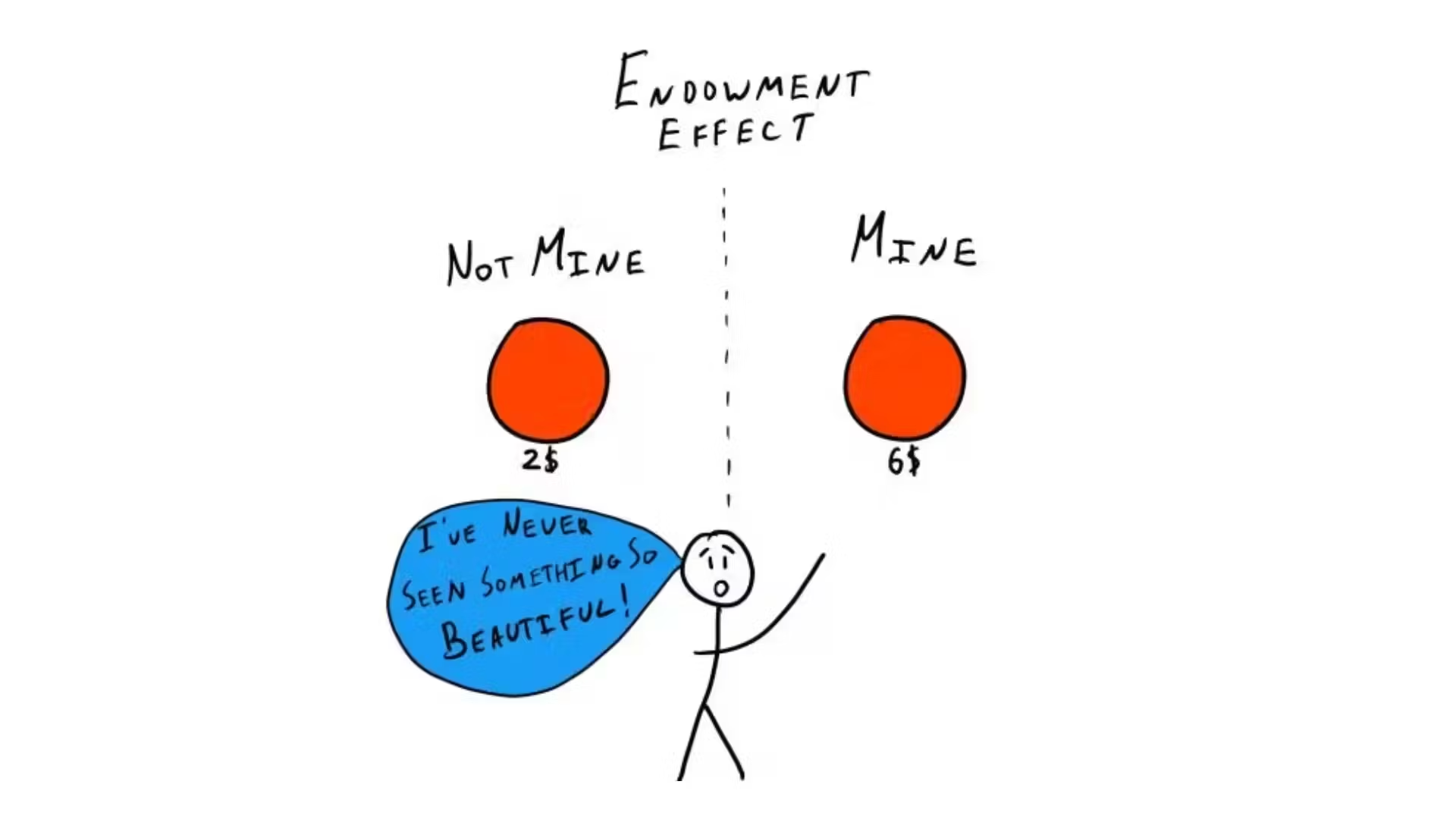
The reason they do this is to get their product in your hands. Once it's in your hands, you're less likely to give it up, because you've placed a higher value on it than what you actually paid for it.
Introducing the Endowment Effect. It's a cognitive bias where people place an item at a higher value simply because they own it, which makes them reluctant to give it away or sell it, even if they wouldn't buy it for the price they place it at. This is an incredibly popular selling strategy that has plenty of examples backing it.
There are a lot of good theories suggesting why we have this cognitive bias, including:
- Humans are creatures of loss aversion and this is an example of that.
- Something might become more personal when owned.
- Something might become more personally valuable because we commit a lot of time to it (Sunk-Cost Fallacy).
- and many other reasons.
Either way, one thing is clear, if you give someone the opportunity to try it, they are more likely to buy it, because the value that you are selling it is lower than the value they've attached.
Making a sale is arguably one of the hardest things you can do in business. Carrying out your vision is arguably the easiest. But making a sale is now requiring you to convince someone else, that has no bias to the product, to spend their hard earned money on the same dream you have.
Although there is no get-quick-sales formula, there are a bunch of techniques you can put into place to increase the likelihood of making a sale.
The Endowment Effect is one of many different tools you, and other businesses, can use to make sales. Don't just take my word for it, give it a go yourself.
TLDR: The Endowment Effect is a cognitive bias where people attach a higher value to something they own. Use this cognitive bias as a tool, and get your product in your customers hands. This increases the chance of the sale being made. Others are succeeding doing this, why not give it a try?
Eating the Frog
A tool to battle procrastination.
Everyday I set myself 3 primary goals I want to complete. These are 3 goals that build towards one of the pillars in the 7 Pillars of Life. What I've noticed is, the closer to the start of the day I begin to work on them, the more likely I am to complete them.
This lines up with a productivity technique Brian Tracy popularised called "Eat the Frog". Put the most difficult, important or dreaded tasks towards the start of your day, and everything else after it.
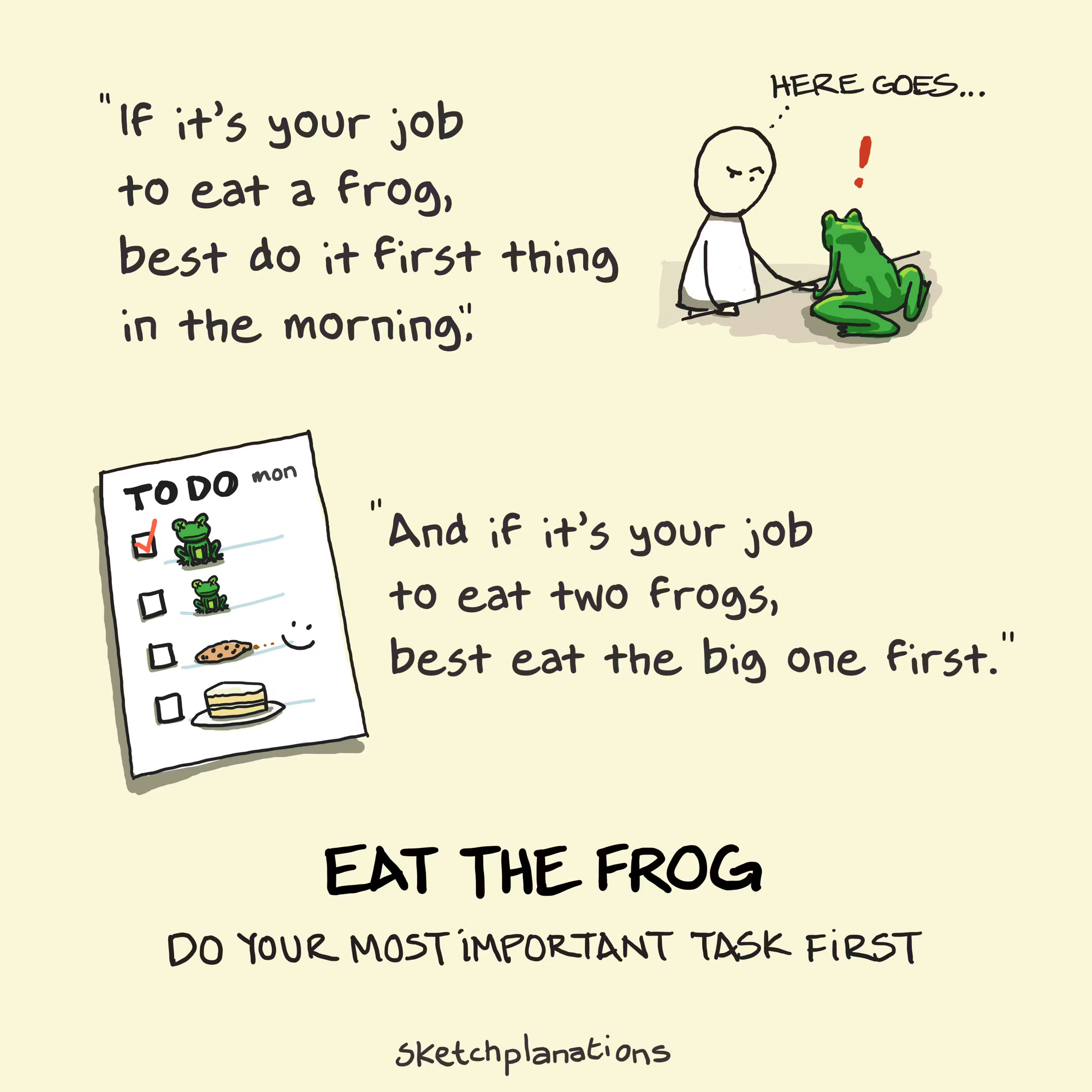
This technique aims to reduce procrastination, use peak energy to complete this task, and use the completion to build momentum for the rest of the day.
The technique is also supported by research (indirectly). Studies on willpower highlights that it works similarly to a battery. Therefore, the more you use it, the more it's depleted.
We use our willpower in so many aspects throughout the day. It makes sense that instead of reaching the end of the day with a ton of tasks needing to be done with little willpower left, we start our day with the important tasks when our willpower is closer to full!
In life we have to do things we don't want to do. Maybe it's doing dishes, washing your car, studying for an exam, reading a book, or paying your bills. There's simply too many things to list out that most people don't want to do. But that doesn't mean you can get away with not doing them.
Make life easier for yourself. Front-load the most important, difficult and dreaded tasks.
No-one wants to be jumping from happiness to dread over and over again. Eat your lunch, then your dessert.
TLDR: Stop procrastinating by front-loading your most important, difficult and dreaded tasks. Willpower gets drained, so make sure you use it wisely, on the things that are actually hard to do. Start your day off with hard work, and end it with hard rest.
The Power of Compounding
One small change that can help secure financial freedom.
Compounding is the power of small changes in one direction, leading to massive changes in the long-run. There are many examples where compounding is used, be it in self improvement as James Clear mentions in his book Atomic Habits, and especially in finance.
These changes are so small that they are often overlooked, but when looked at in the long run the benefits are night and day.
Let me show you the strength of saving money in an account that makes no interest, in an account that makes 4% interest (possibly a high yield savings account or a bonds account), and an investment account in the S&P 500 (assuming it continues with it's historical average of 10%).
NOT FINANCIAL ADVISE.
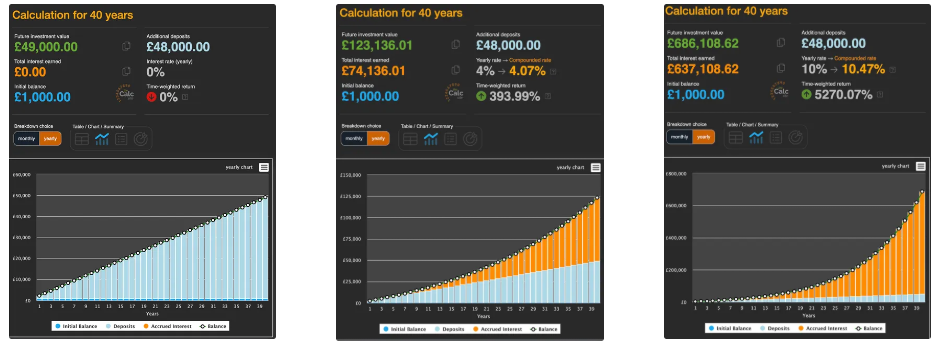
People will look at the short term return of compounding and think that it isn’t a lot, and will give up with it after a while. But if you look later on in time you see the truth. The fact that compounding is one of the strongest forces to exist. And what makes it so strong? Time and Money.
The more I do 7D7L the more I realise that it's the small things in life that make massive changes. Compounding is one of those small things, that can make massive impacts in the long run. It can help ensure you're financially free and stable when you're looking to stop working.
Look at the things you're spending money on, is there anything that you're willing to stop spending and in return start compounding? It doesn't even have to be investing if you're not comfortable, simply letting your money make you money is what I'm encouraging (like a high yield savings account).
TLDR: Small investments into a HY-Savings Account or an investment account will initially grow linearly, but then break out into an exponential growth, that can help you secure financial freedom.
ABC's of Gratitude
The biggest secret to a life full of happiness.
I was doing my daily devotional by Max Lucado and one of the days he brought up the concept of the ABC's of Gratitude. A technique that anyone can use to grow their gratitude and therefore increase their happiness.
It's quite simple. List out all of the letters in the alphabet line by line. Now, next to each letter, write something down you are grateful for according to the letter.
For example:
- B - Bible
- F - Fiancée
- W - Work
Some of the things you label are obviously important to you. But some are quite random, things we didn't know we were grateful for. I didn't realise I was grateful for X-Rays until I got to X.
You can't change the things that have happened to you, but you can change the way you react to it.
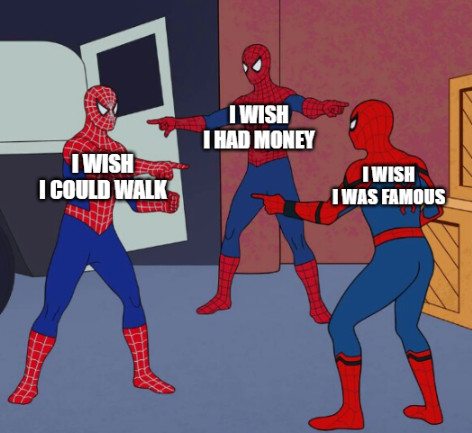
The goal of the ABC's of gratitude is to highlight there are things you should be grateful for, that are overlooked, simply because it is normal. But being grateful that we can walk, talk, read, listen, are all things we take for granted that brings us so much joy.
Gratitude is the cheapest way to be happy, because you become happy with the things you have, not with what else you could have.
TLDR: Being grateful for what you have will bring longer lasting happiness than achieving a goal ever could.
Quotes Of The Week
- "If you think education is expensive, try estimating the cost of ignorance." — Howard Gardner
- "There are no solutions. There are only trade-offs." – Thomas Sowell
- "The problem with the world is that the intelligent people are full of doubts, while the stupid ones are full of confidence." – Charles Bukowski
- "Success is the sum of small efforts, repeated day in and day out" – Robert Collier's
- "The more control you have over your attention, the more control you have over your future. It’s so easy to say yes. We want to be agreeable, helpful, liked. That’s how time disappears and attention becomes fragmented: not in big chunks but in a thousand small concessions. What you trade your attention for is what your life becomes." – James Clear
- "After a lifetime of blaming others, it is exceedingly difficult for us to finally acknowledge that the only person who has consistently been in all the scenes of that long-running soap opera we call our life is us, and, as a necessary corollary, that we bear some large responsibility for how the drama is turning out." – James Hollis